with artist Cyndi Coon and scientist Catherine Seiler
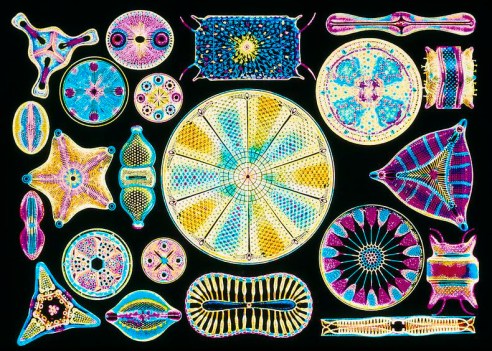
Did you know that people aren’t the only things that like “selfies?” Inspired by the work of artist Ernst Haeckel, this hands-on workshop includes down-to earth science talk about diatoms and the opportunity to draw your own mini “Cellfies.” It will be like taking a snap shot of your own cells!
There are so many ways to play outside – don’t forget about ideas on water.
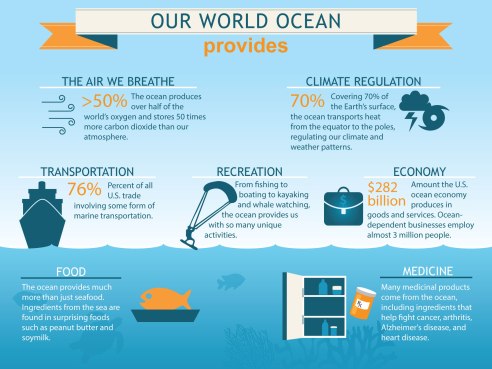
All outdoor water activities offer a great opportunity to talk with kids about the importance of our water and oceans. Take a look at this infographic from NOAA the National Ocean Service Association.
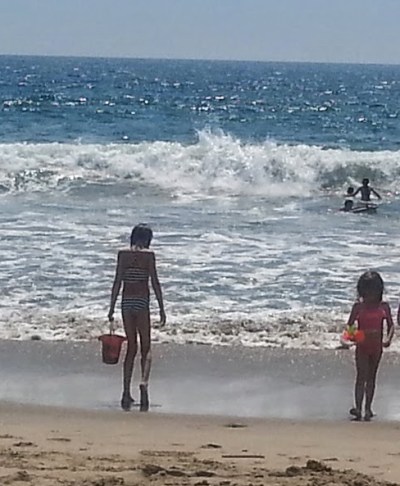
Sometimes it’s as simple as a dip in a pool or a day at the beach.
Other water activities can require a bit more work such as river canoeing or ocean paddle boarding but it is so worth it to get kids connected with all forms of nature.
Celebrating Summer Solstice is a great way to connect kids with nature as Solstice highlights the transitions in nature. Crops are starting to grow, daylight is at its peak and the weather in most locations is inviting.
June Solstice: Longest and Shortest Day of the Year
Solstice is Monday, June 20, 2016
A solstice happens when the sun’s zenith is at its furthest point from the equator. On the June solstice, it reaches its northernmost point and the Earth’s North Pole tilts directly towards the sun, at about 23.4 degrees. It’s also known as the northern solstice because it occurs when the sun is directly over the Tropic of Cancer in the Northern Hemisphere.
Meaning of Solstice
‘Solstice’ (Latin: ‘solstitium’) means ‘sun-stopping’. The point on the horizon where the sun appears to rise and set, stops and reverses direction after this day. On the solstice, the sun does not rise precisely in the east, but rises to the north of east and sets to the north of west, meaning it’s visible in the sky for a longer period of time.
Although the June solstice marks the first day of astronomical summer, it’s more common to use meteorological definitions of seasons, making the solstice midsummer.
Eat local and seasonal foods – Visit a farmers market
Pick fresh flowers – Swedish legend has it that if you pick seven kinds of flowers and put them under your pillow on Midsummer Eve, you will have wonderful dreams.
Have a Bonfire – According to old pagan traditions, the bonfires would to scare off witches and other evil creatures during the Solstice.
Learn more about Phenology – the study of cyclic and seasonal natural phenomena, especially in relation to climate and plant and animal life.




 Lab5 BLOG