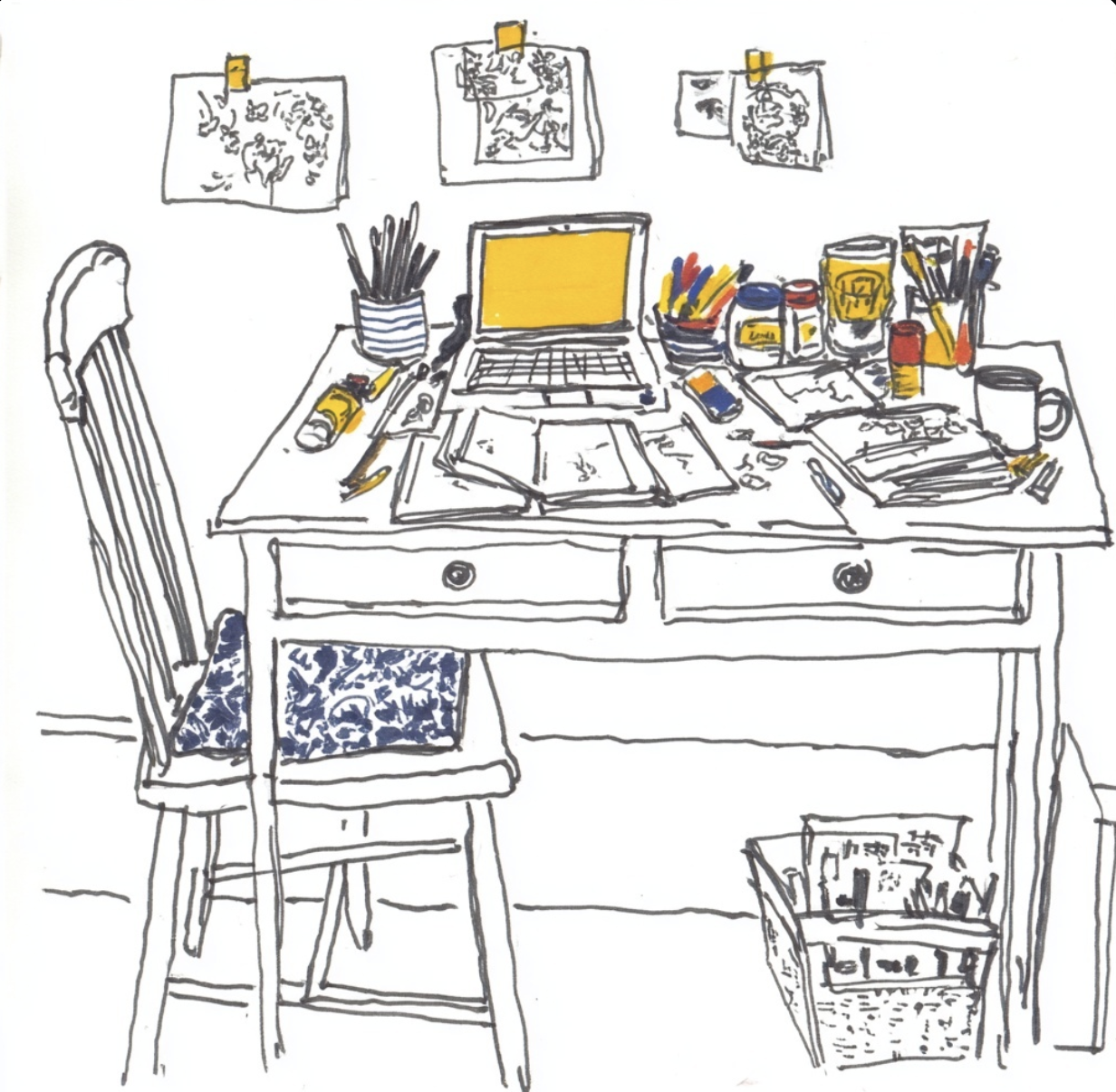
There’s something electric about this moment.
I’ve always been a space nerd. I love everything about it. These ten days feel like an invitation to lean all the way in, to follow closely, to let myself get pulled into the details. As Artemis II rounds the moon, it somehow feels like we’re all up there with them. Not just watching, but experiencing it in real time.
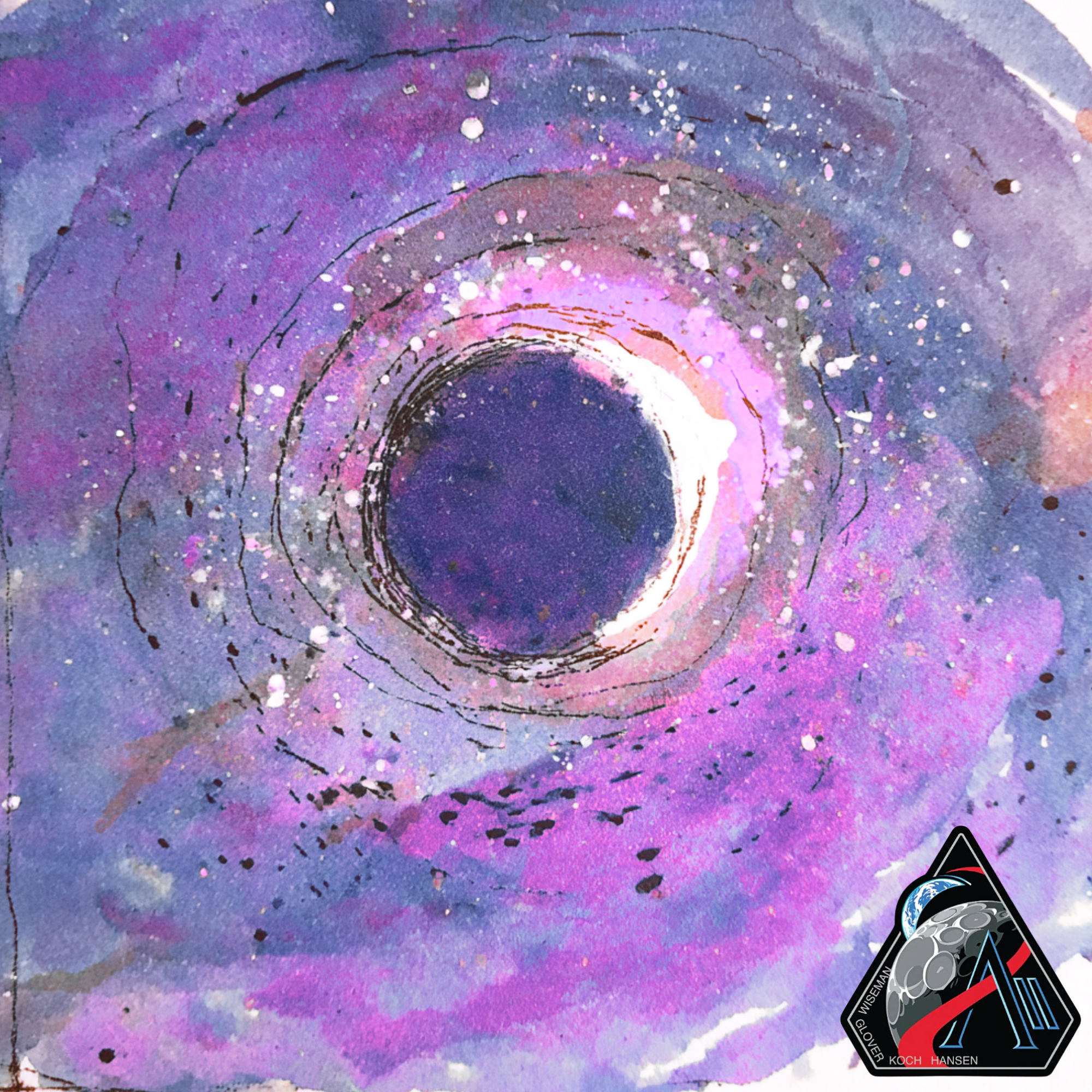
One of the first details that stopped me was learning that the astronauts were trained in photography. You can feel it in the images coming back. They’re paying attention to light, to shadow, to the curve of Earth rising in a frame. These aren’t quick snapshots. They carry intention. You can sense a human behind the lens, aware that what they’re seeing is rare and worth shaping.
Back on Earth, Mission Control adds another layer. The livestream voices move with a kind of poetic flow alongside what we’re seeing, and it shifts how the moment lands. When something is that expansive, language stretches. People reach for rhythm, for metaphor, for something that can hold awe without flattening it. It doesn’t feel forced. It feels like a natural response to what’s unfolding.
Music has quietly become part of the experience too. Every morning, the astronauts are woken up with a song. There’s something intimate about that, this daily ritual carried into space. And back here on Earth, people have started tracking those songs, sharing the NASA-provided playlist built by the astronauts before launch. It creates a thread between worlds. You can press play and, for a moment, sync your day with theirs. Same music, different gravity.
There’s also something deeply personal woven into the mission. A crater on the moon named after an astronaut’s wife who passed away. What a beautiful thing to bring memory into orbit. It reminds you that even at this scale, everything is still anchored in human lives, human relationships, human loss and love. Moments like that have a way of reframing everything else around them. It settles in, and suddenly the whole mission feels different.
Sitting with all of this, it’s hard not to notice what it says about where we’re headed. For a long time, there’s been this quiet assumption that the future belongs to code, to systems, to efficiency. That as technology advances, the expressive, human parts of us somehow matter less. But here we are, sending humans around the moon, and what we choose to carry alongside the science are cameras, playlists, stories, names that hold memory, and people on the ground who know how to hold attention.
The arts have always been how we make sense of things that are too big to hold all at once. That could be grief after losing someone, or the feeling of looking back at Earth from space. In both cases, the scale is overwhelming in its own way. We write, we create, we compose, we frame. These are the ways we take something vast and turn it into something we can live with. Science makes it possible to reach those moments. The humanities give us a way to understand them, to sit with them, to shape them into meaning, and to share that meaning with others.
What’s unfolding with Artemis II makes it clear that those human layers aren’t fading as our tools get more advanced. If anything, they’re becoming more intentional. The photography isn’t incidental. The music isn’t filler. The storytelling isn’t an add-on. Each of these elements is part of how the mission is being experienced and remembered. A photograph taken in orbit becomes a cultural artifact. A song played at wake-up becomes a shared ritual across millions of people. A poetic line becomes part of how we hold this moment over time.
There’s a quiet recognition in that. Getting somewhere isn’t enough. We want to feel it. We want to share it. We want to remember it. We want to make meaning from it together. The more complex the technology becomes, the more care we seem to be putting into shaping the experience for humans. This is the work of the humanities, not as decoration, but as something foundational.
And there’s something else in this that matters. We are not just building missions anymore. We are building experiences that people can enter from wherever they are. The livestreams, shaped by voices that understand performance, create a sense of presence. The images, composed with care, invite us to linger a little longer. The music lets us align our daily rhythms with people moving through space. It becomes participatory in a way that feels deeply human.
That shift matters more than we might realize. When the future is something that only happens at a distance, it’s easy to ignore. But when it becomes something you can feel, something you can step into even briefly, it becomes part of your lived experience. And that changes your relationship to it.
Right now, as Artemis II moves through space, there’s a kind of rehearsal happening. Not just for future missions, but for how we show up to the moments that define us. We are practicing attention. We are practicing shared awe. We are practicing how to carry our stories, our art, our music, and our memories with us as we go further than we’ve ever gone before.
And in that, there’s a quiet clarity. Our future is being shaped not only by what we build, but by how deeply we stay connected to what makes us human.